
A Historical Timeline of Electromagnetic Warfare
From James Clerk Maxwell's theoretical groundwork in 1864 to the signal-contested battlespaces of today, the electromagnetic spectrum has shaped the outcome of every major conflict of the modern era. Explore our comprehensive timeline tracing the discovery of electromagnetic waves, the birth of radar, the evolution of electromagnetic warfare across two world wars and beyond, and the ever-expanding role of spectrum operations in an increasingly connected world.
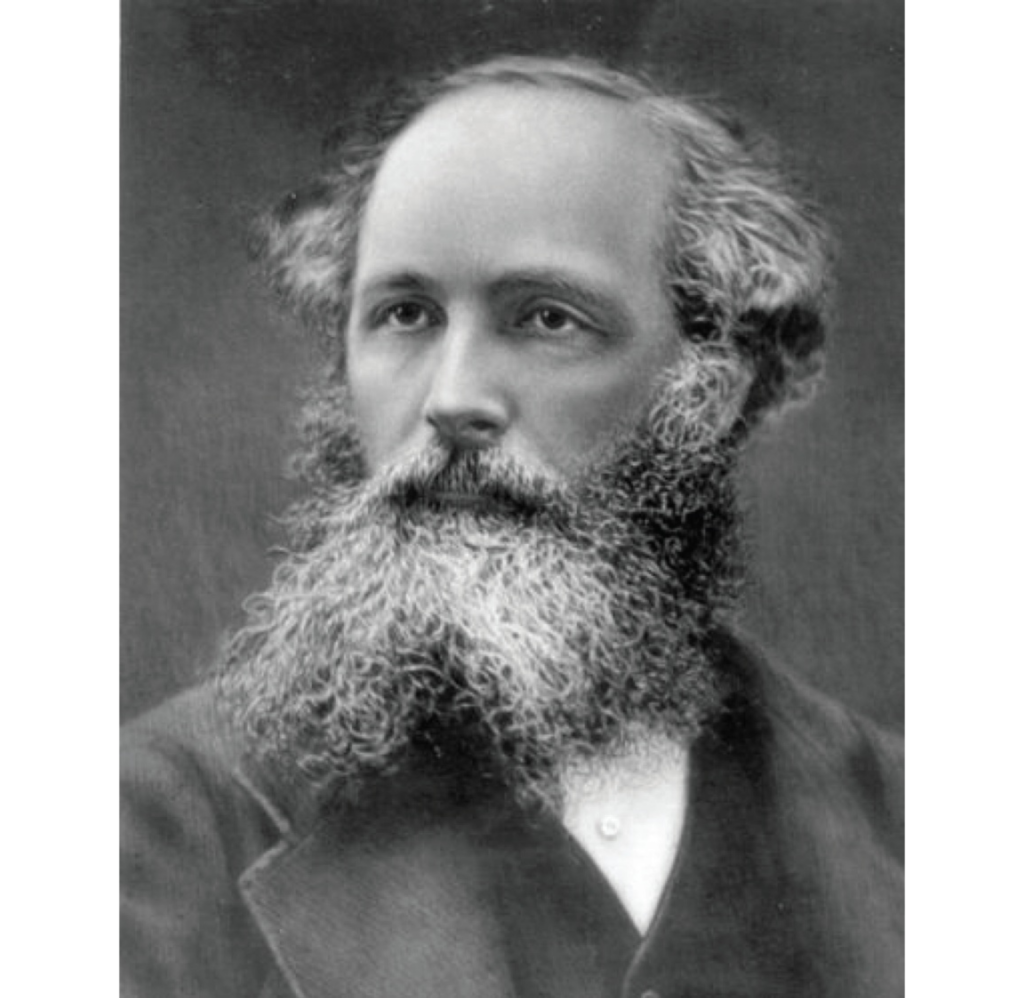
Scottish physicist James Clerk Maxwell publishes equations predicting the existence of electromagnetic waves – the theoretical foundation of all future radio, radar, and EW. Listen to the History of Crows podcast episode about the great scientific minds behind electromagnetism. Listen now.
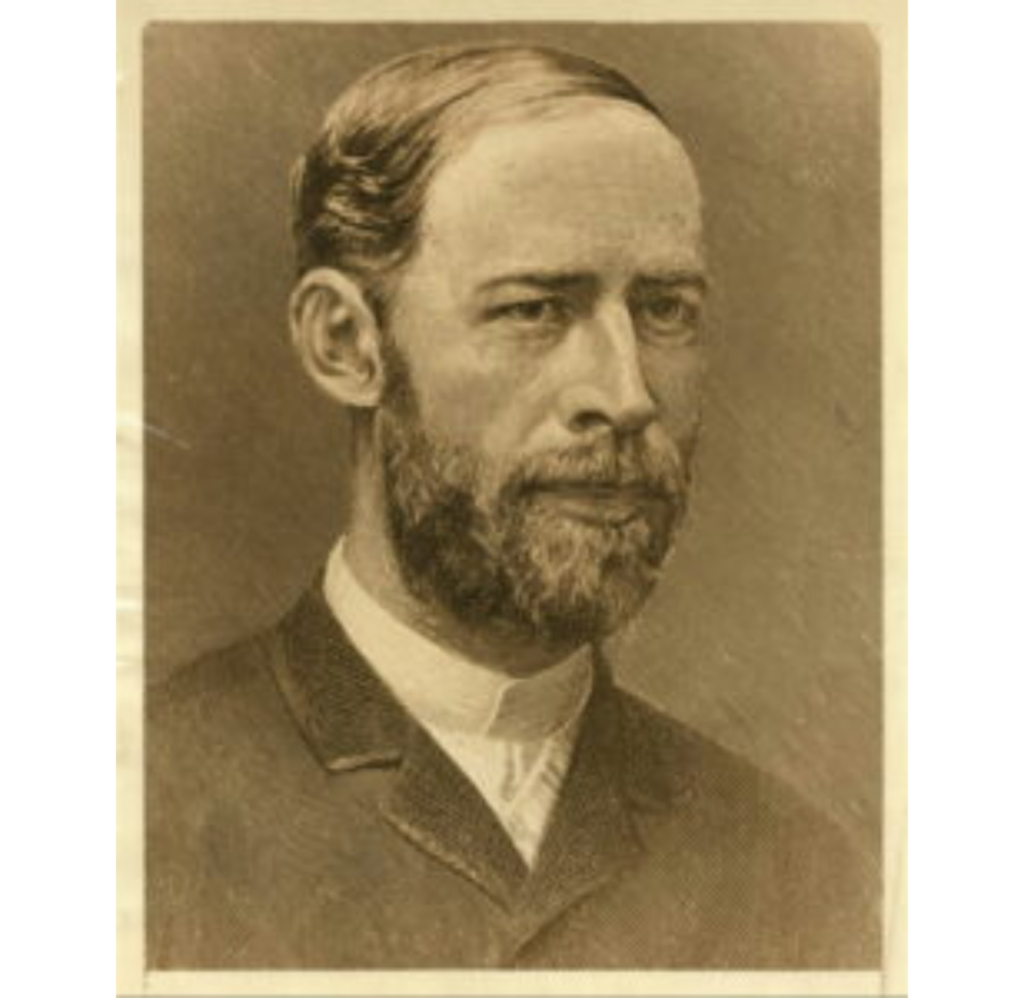
German physicist Heinrich Hertz experimentally proves Maxwell’s predictions, generating and detecting radio waves and discovering they reflect off metallic objects, establishing the physics underlying radar and jamming.
Guglielmo Marconi conducts the first practical radio transmission experiments in Italy and England. By 1895, his transmissions reach a 1-mile range, and by 1899, he transmits across the English Channel. Radio becomes the primary military communication medium that defines EW for the next century. Listen to the History of Crows podcast episode about Marconi’s life.
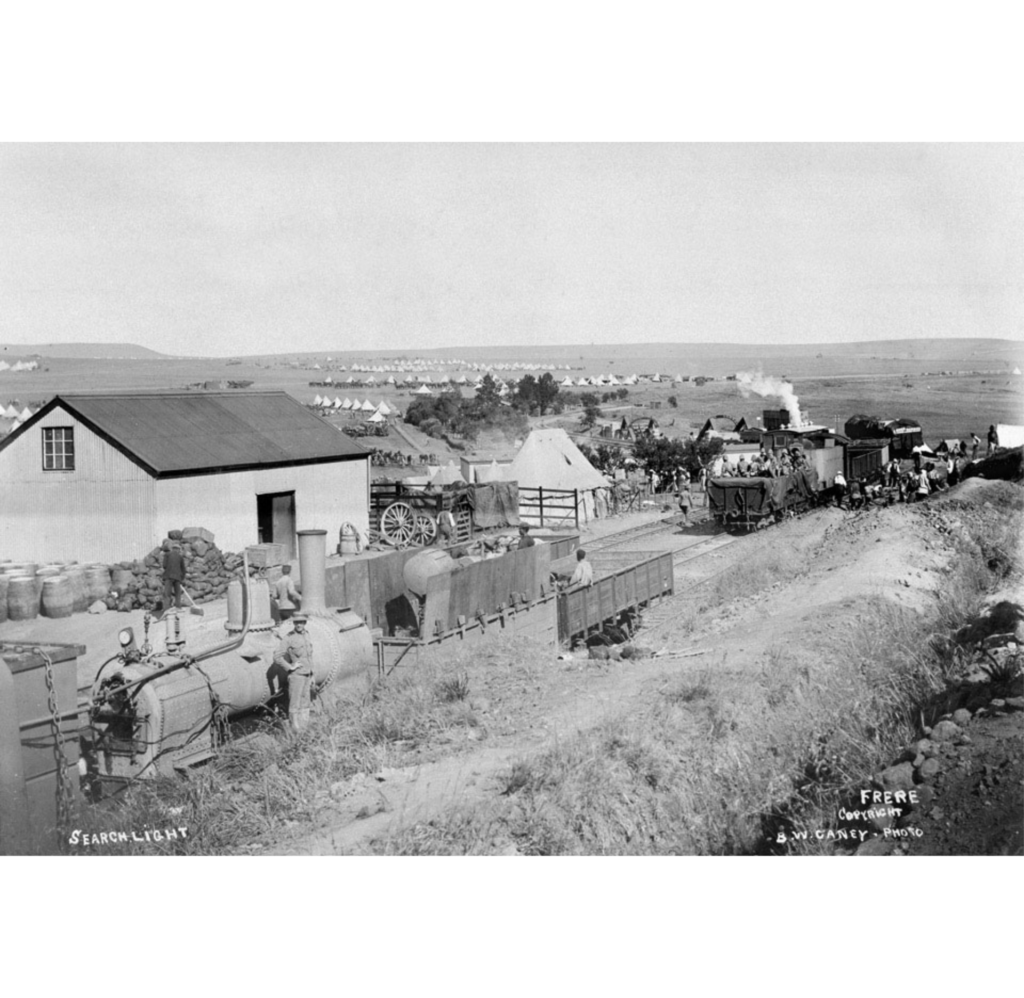
During the Siege of Ladysmith in the Second Boer War, British forces used searchlights to send Morse-coded messages by flashing them onto low clouds, communicating with the besieged garrison at Ladysmith over roughly 30 miles. Boer forces countered by aiming their own searchlights at the same clouds, confusing the coded flashes — an early instance of deliberate signal jamming using light.
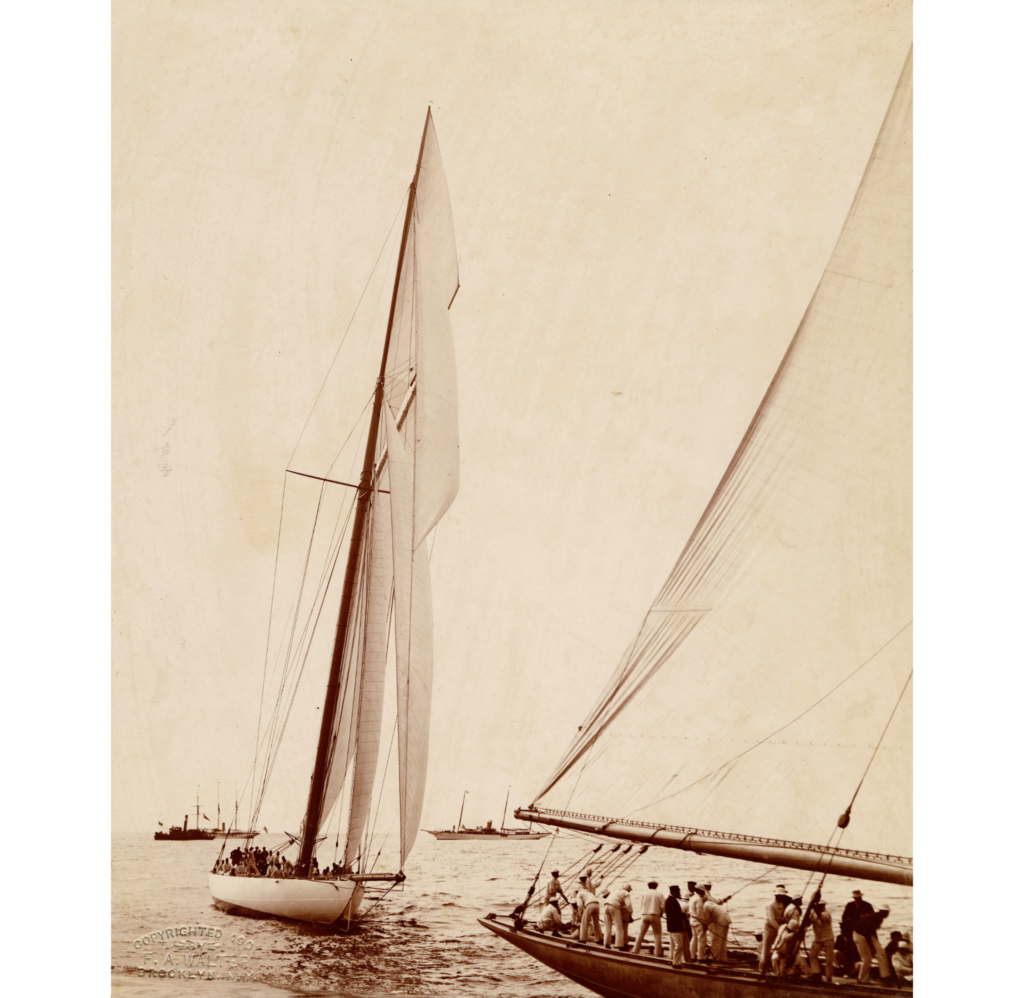
The America’s Cup yacht races featured the first deliberate jamming of signals when news competitors American Wireless Telephone and Telegraph Company “jammed” Guglielmo Marconi’s signals on the sailing ships racing meant to broadcast onshore to the Associated Press.
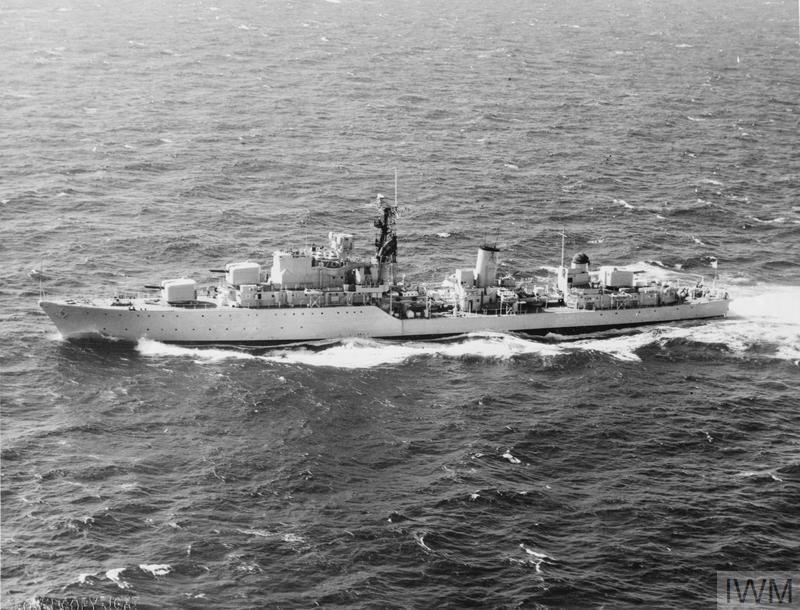
HMS Diana, stationed in the Suez Canal, makes the first recorded wireless interception in history, picking up a message heralding the mobilization of the Russian fleet, alerting Britain’s ally Japan. Launches the era of signals intelligence (SIGINT).
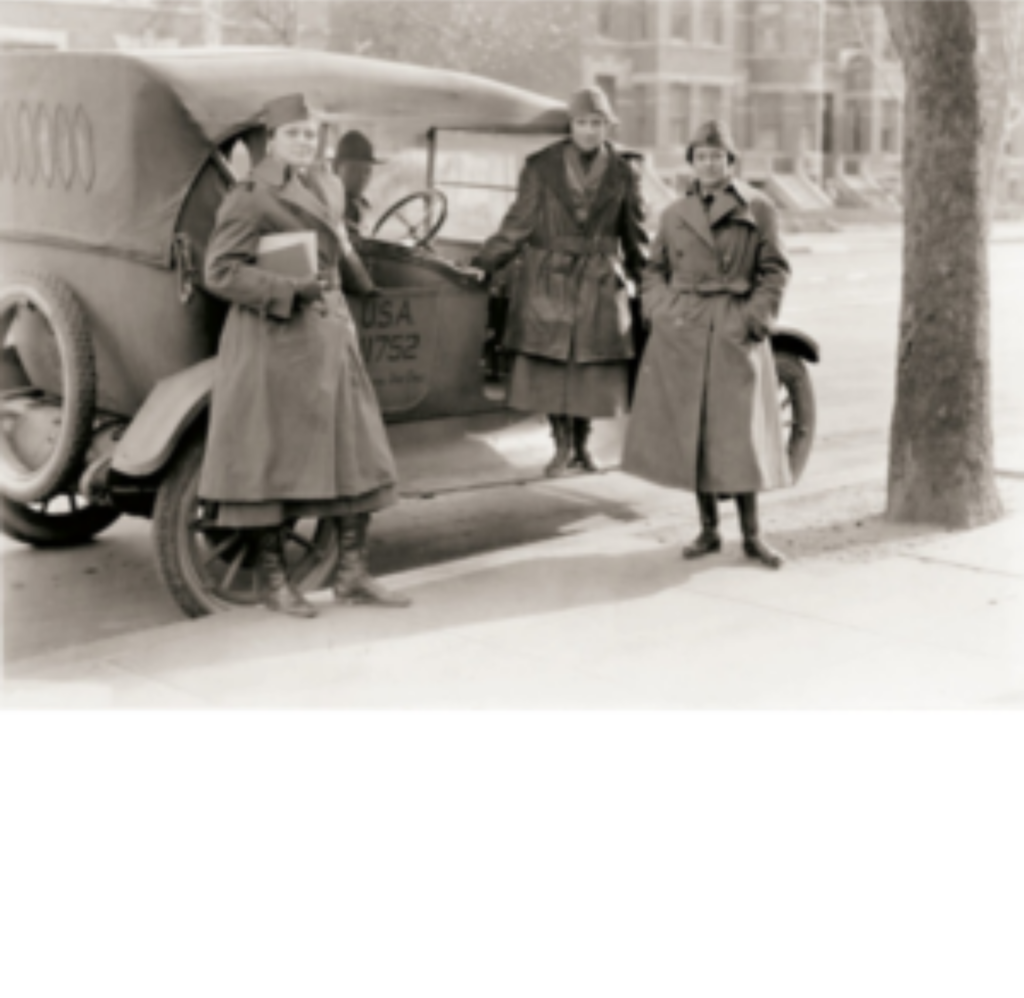
The widespread use of radio jamming begins in World War I when the United Kingdom joins the war against Germany.
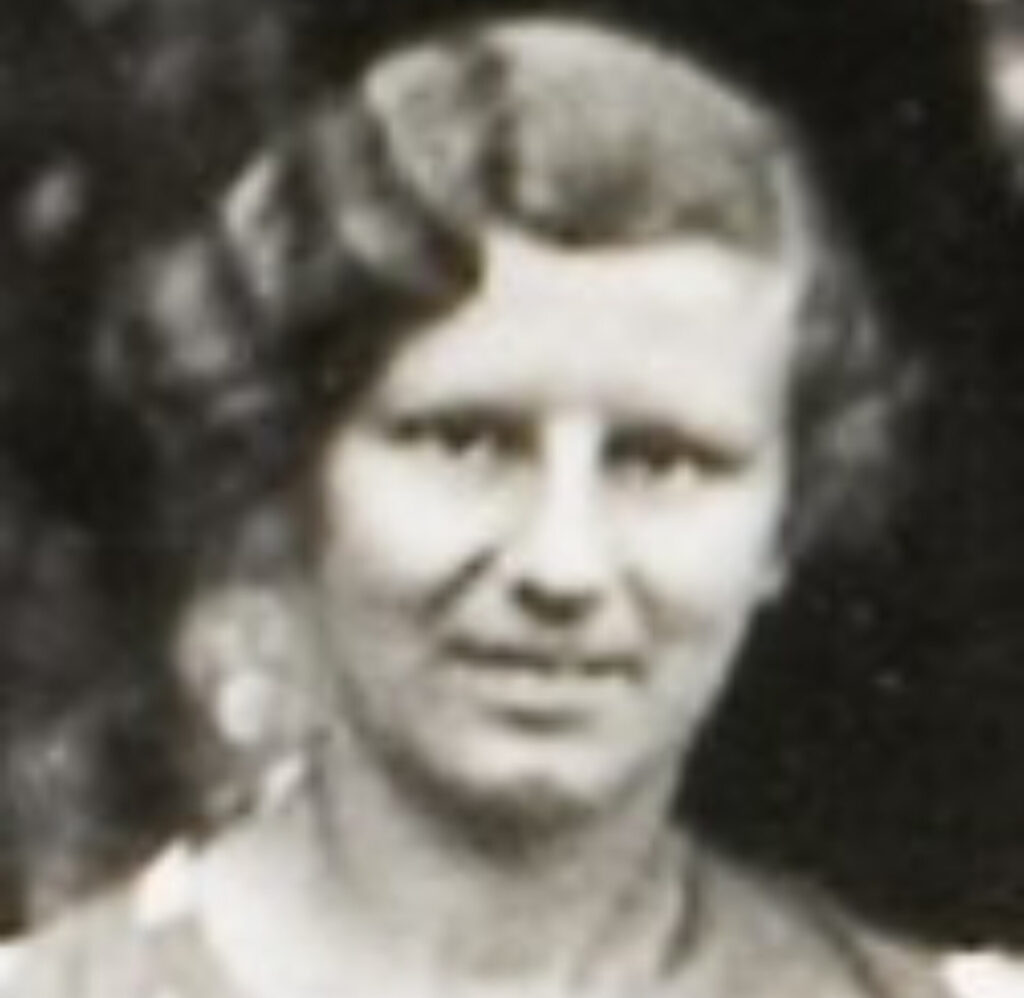
Lady Joan Curran, the only female scientist at the TRE (Telecommunications Research Establishment), invented chaff under the codename “window.” It was widely used for the remainder of WWII, and it is still today a well-established countermeasure for radar. Listen to the History of Crows podcast episode dedicated to all women of EW – past, present, and future.
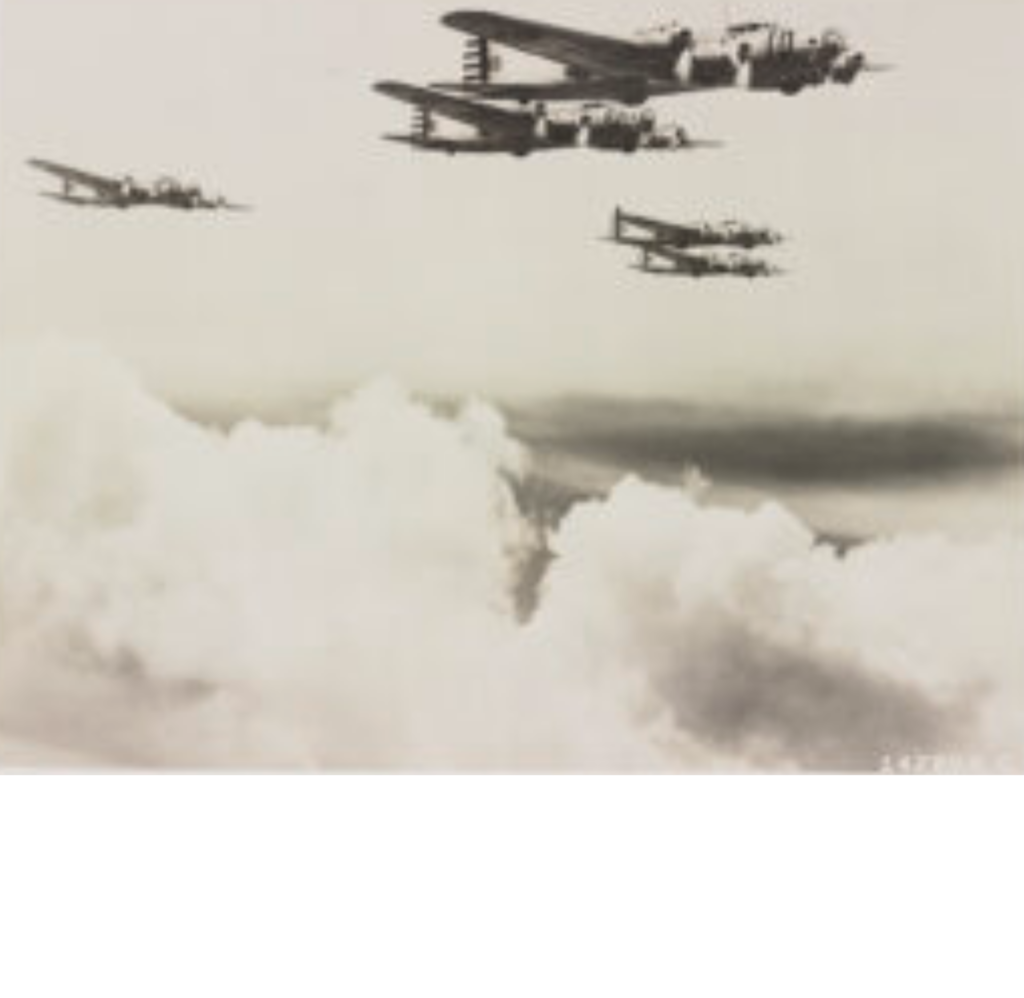
The first B-17 electronic signals intelligence (ELINT) mission is flown. These efforts continue and escalate throughout the remainder of the war. Flights later become known as Ferret Missions.
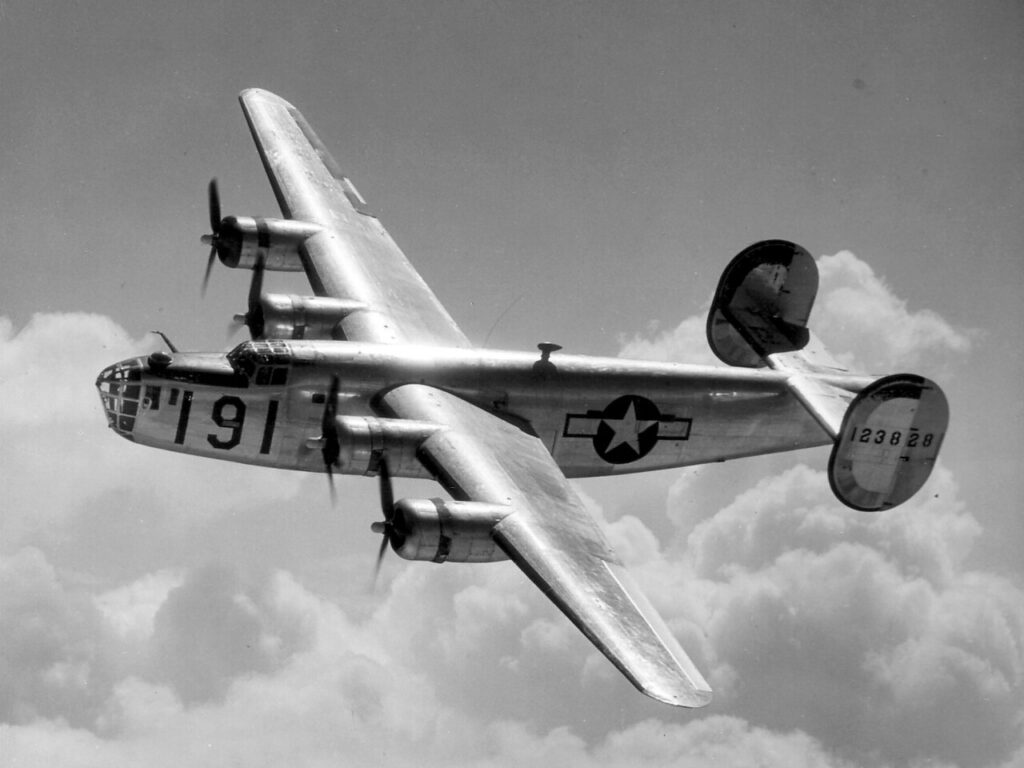
A B-24 flies the first successful US Army Air Force electronic reconnaissance mission, gaining valuable data from Japanese radars installed on the Aleutian Island of Kiska.
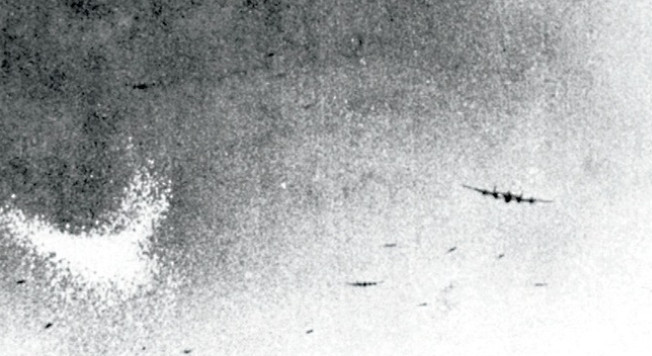
During the first of four large-scale attacks on Hamburg, Germany, also known as Operation Gomorrah, Royal Air Force Bomber Command aircraft make first use of window (a forerunner of chaff) – strips of tinfoil dropped from aircraft to confuse enemy radar installations.
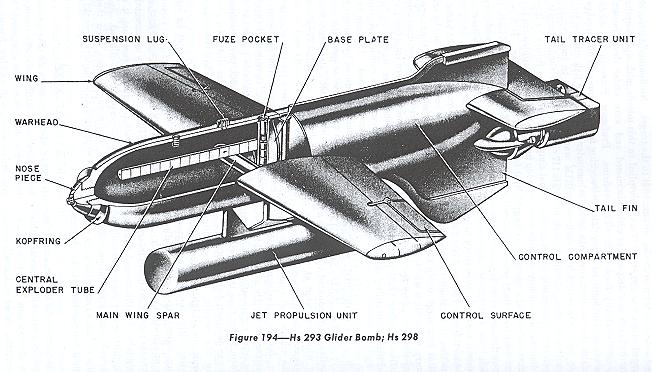
The Henschel Hs293 radio-controlled glide bomb first sees combat, dropped from Dornier Do217E-5s against British antisubmarine forces in the Bay of Biscay. Several ships sink, including the Corvette HMS Egret, the first ship ever to be sunk by a guided bomb.
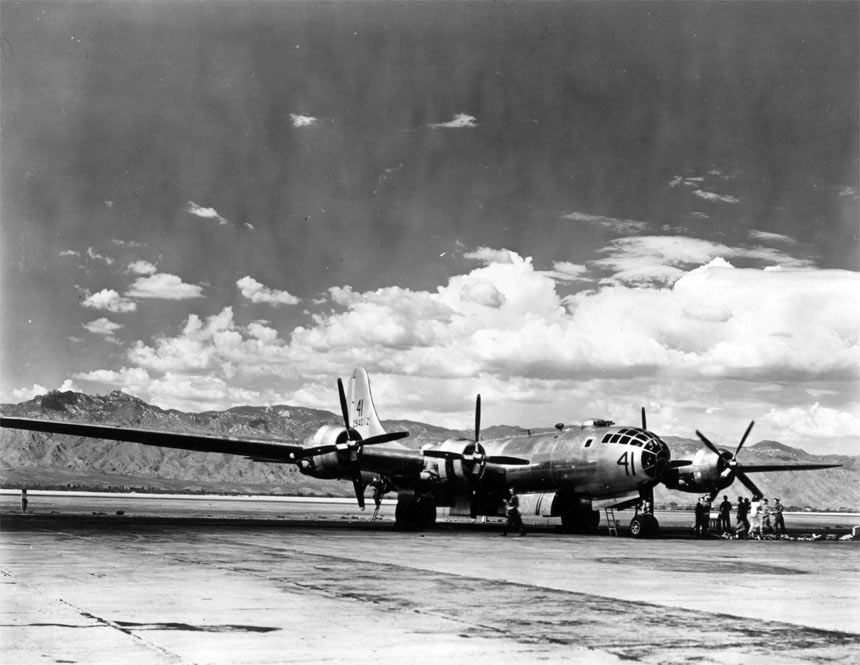
B-29s use their countermeasure capabilities for the first time during a two-pronged daylight attack against industrial targets on the main Japanese island of Honshu.
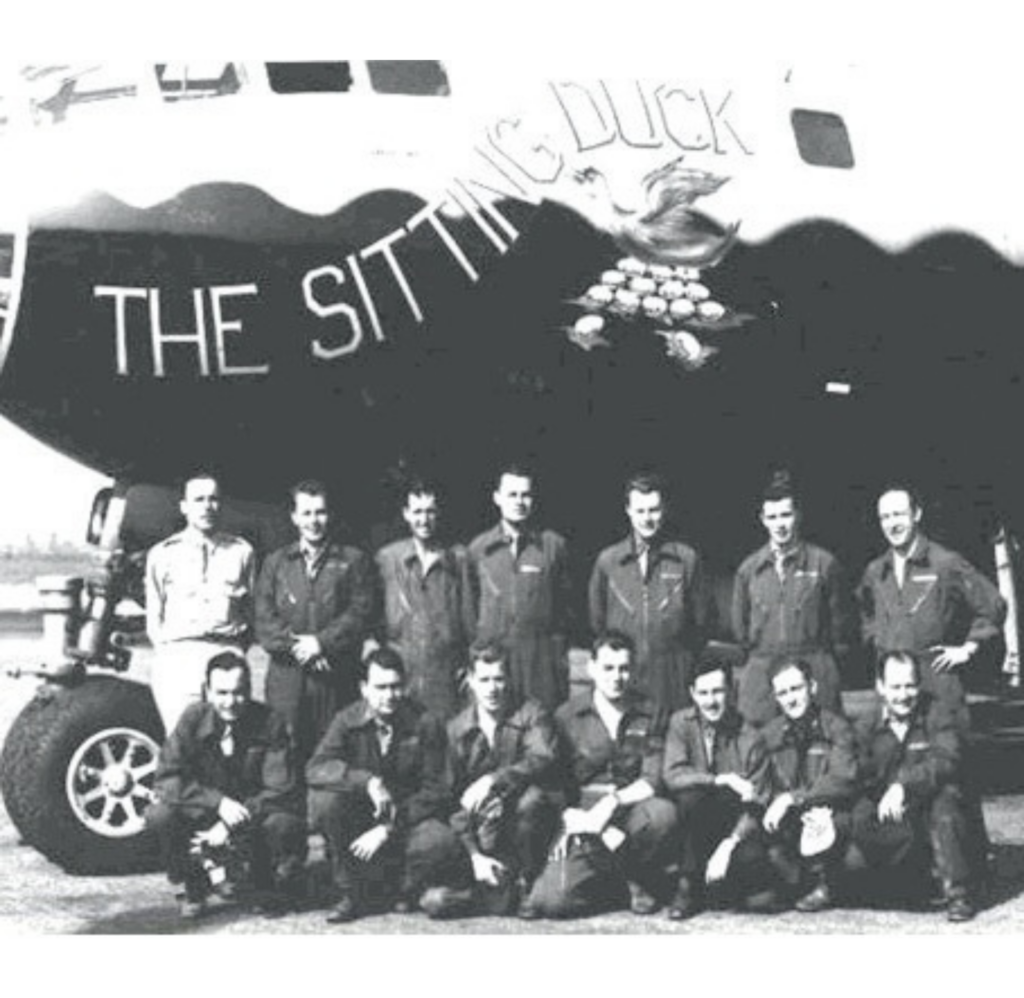
The first completely ELINT-configured RB-29, named “Sitting Duck” by its crew, flies the first ELINT mission off the north and west coasts of Siberia.
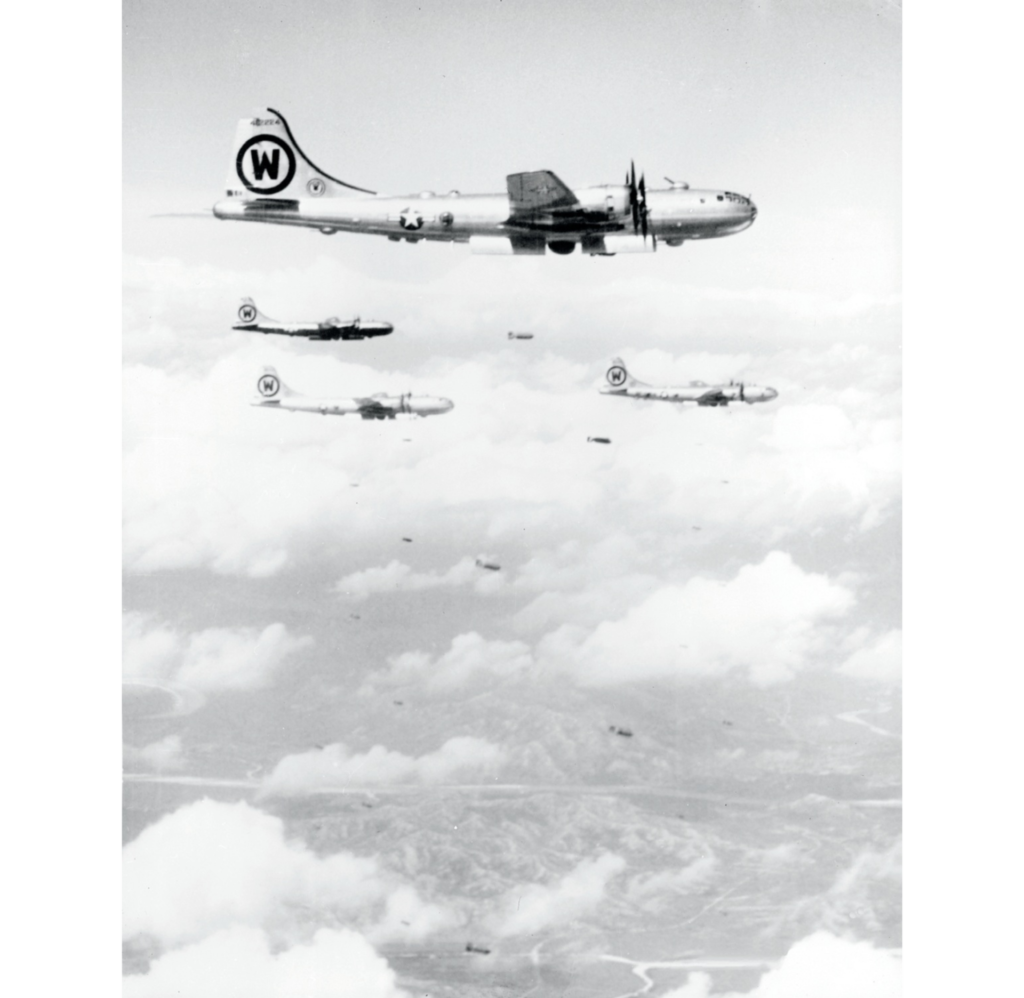
During the Korean War, a formation of four B-29s beats off eight MiG jet fighters that intercept them near Sunchon.
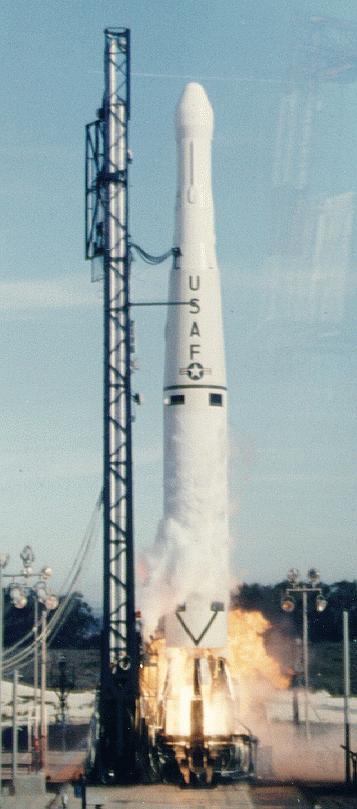
The Galactic Radiation and Background Experiment (GRAB) launches on a Thor Able Star rocket as the first space‑based reconnaissance and US Navy ELINT satellite. It gathers data on Soviet air‑defense radars unreachable by American aircraft and marks one of Howard O. Lorenzen’s key achievements.
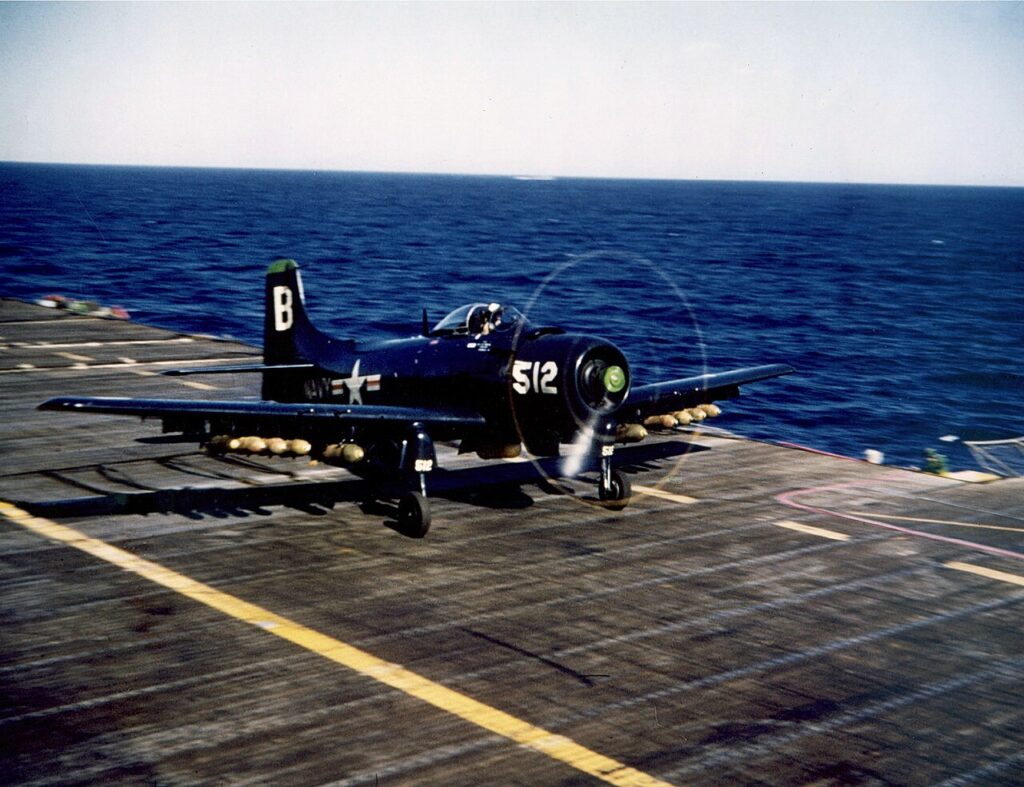
The first attack in Operation Rolling Thunder occurs. The first mission of the new operation is launched against an ammunition storage area near Xom Bang, 10 miles inside North Vietnam. The same day, 19 Vietnam Air Force A-1 Skyraiders strike the Quang Khe Naval Base.
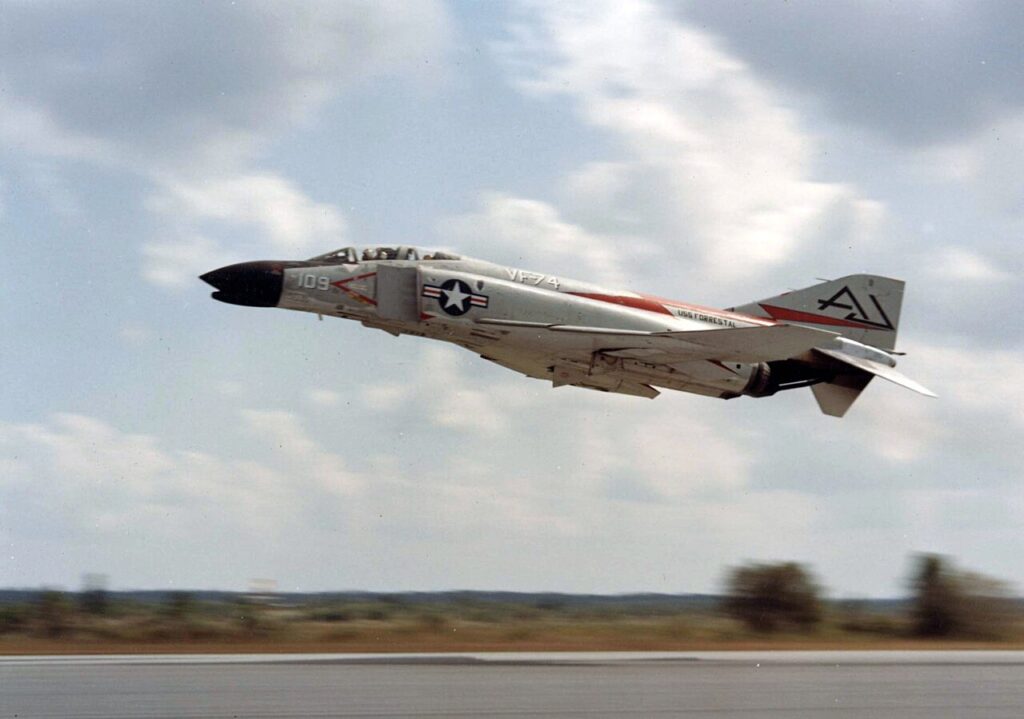
The first American aircraft, an F-4 Phantom, is shot down by a Vietnamese SA-2 surface-to-air missile (SAM).
Project Wild Weasel I develops the first tactics and training for suppressing enemy air defenses using modified F-100Fs armed with radar-seeking missiles. Recruited under strict secrecy, crews adopt “YGBSM” (“You Gotta Be Sh***in’ Me!”) as their unofficial motto.
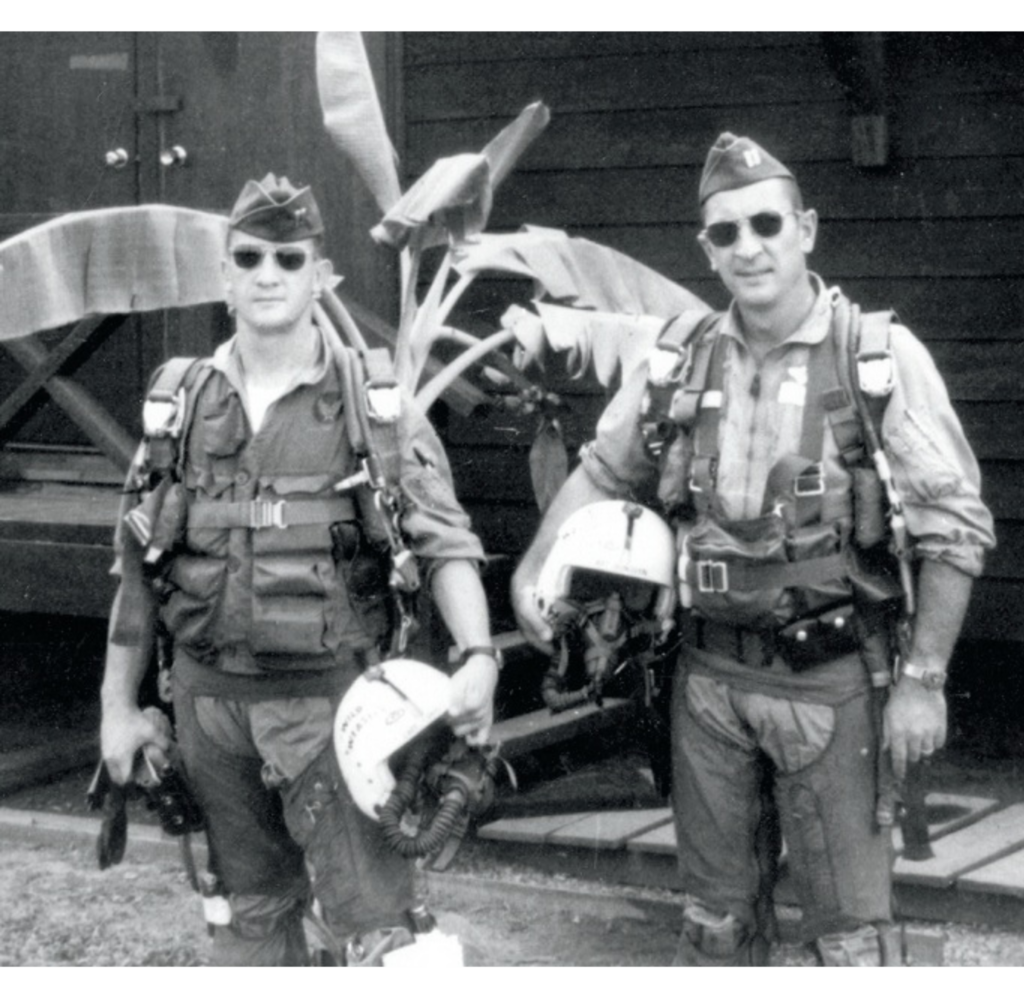
The Wild Weasels score their first SAM kill in North Vietnam. Captain Al Lamb, pilot, and Captain Jack Donovan, EWO, lead the mission into North Vietnam, and when they encounter a hostile North Vietnamese Army SAM site, they engage it and destroy it.
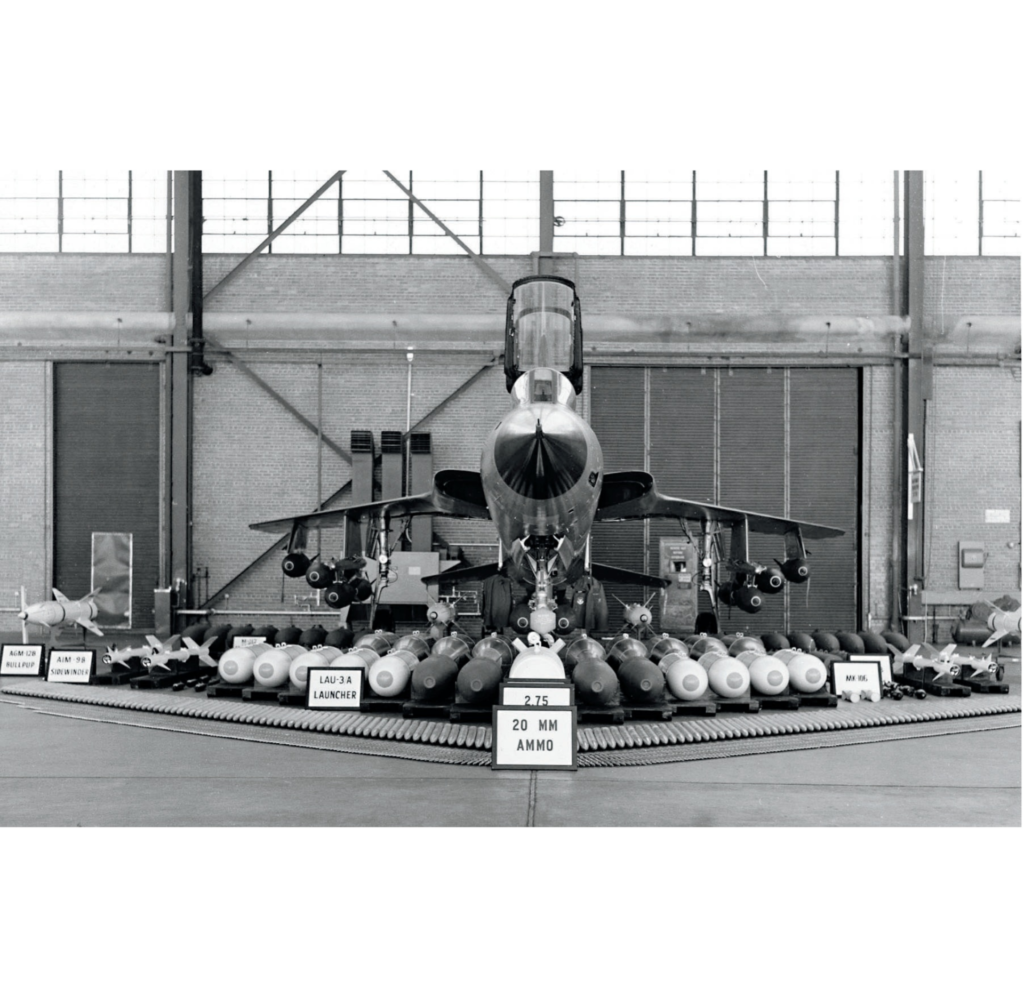
The first flight of the EF-105F Wild Weasel III (the EF designation was popularly used but unofficial) supplements its sensors and electronic jamming equipment with AGM-45 Shrike anti-radiation missiles and conventional bombs, giving it an offensive capability lacking in the F-100F. (The first mission is June 6, 1966).
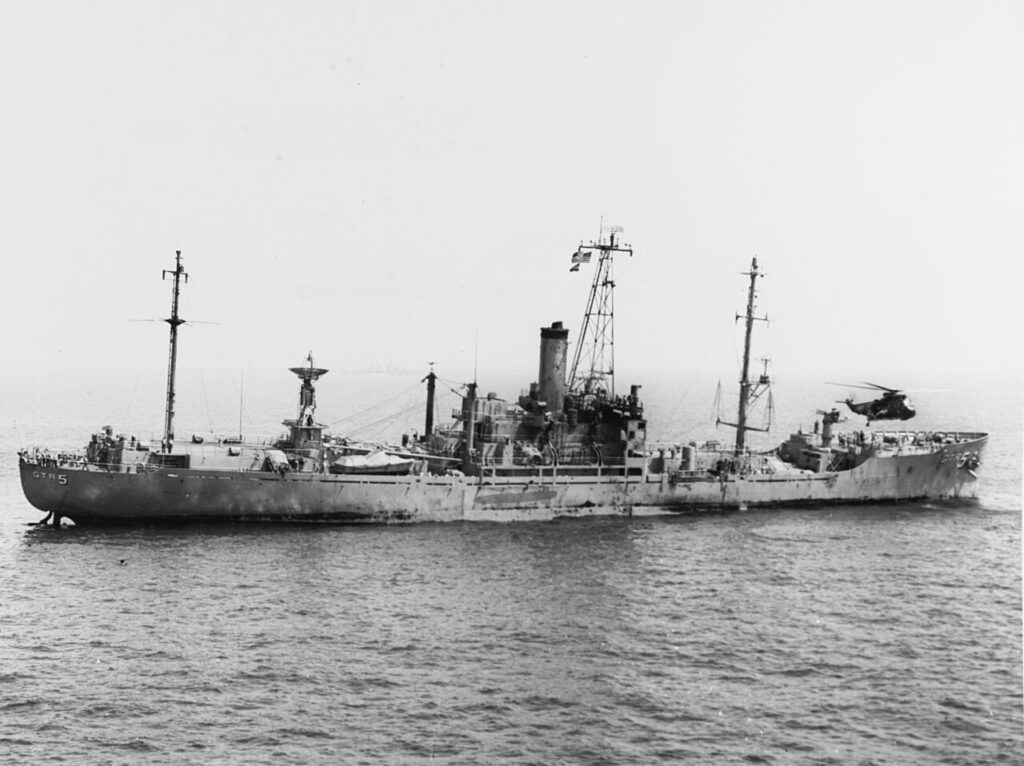
Israeli planes and ships attack the USS Liberty, a US Navy/National Security Agency Signals Intelligence collection ship.
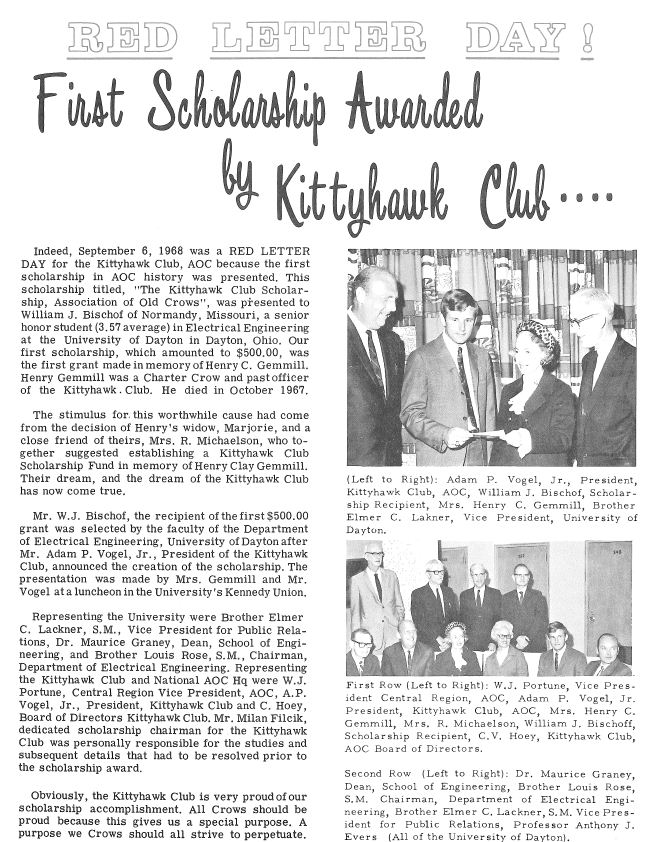
The first AOC scholarship is presented to William J. Bischof by the Kittyhawk Chapter in Dayton, Ohio. Read more.
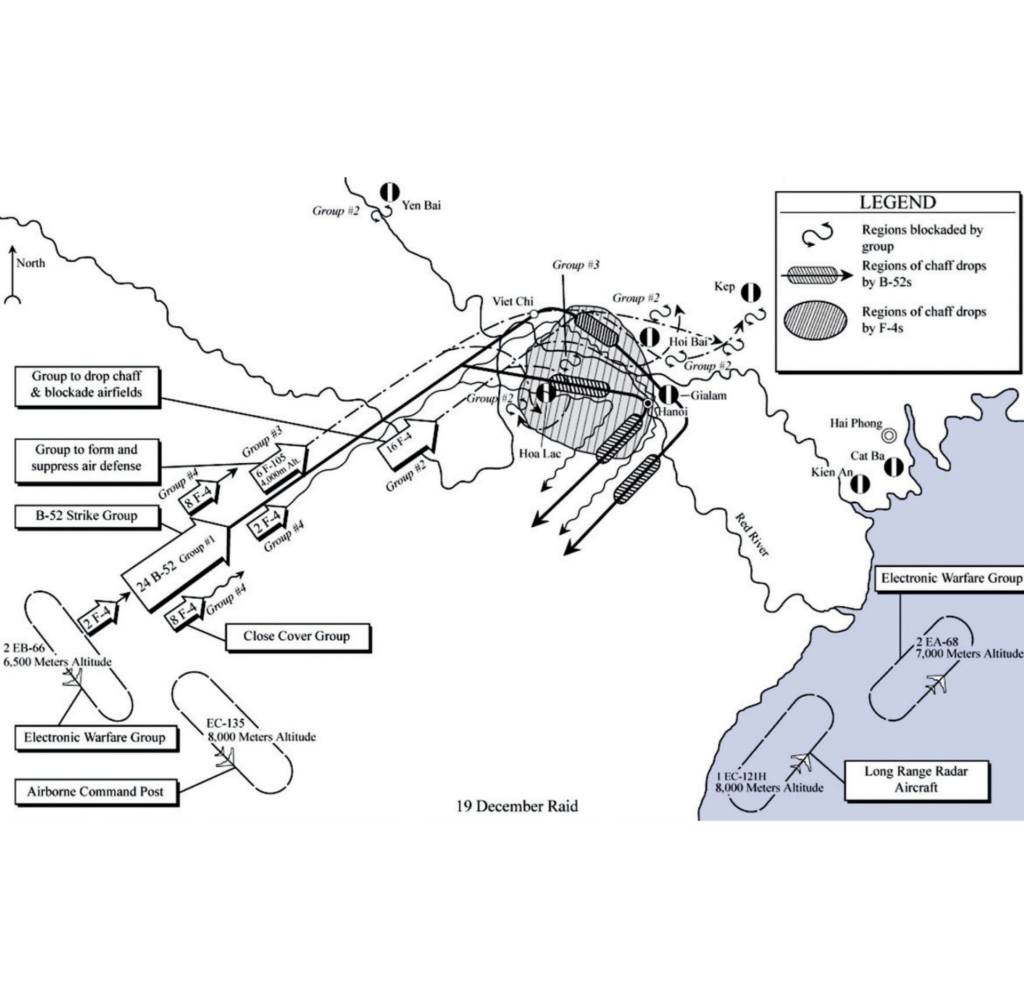
Operation Linebacker II, an aerial bombing campaign by B-52 bombers over Hanoi, starts.
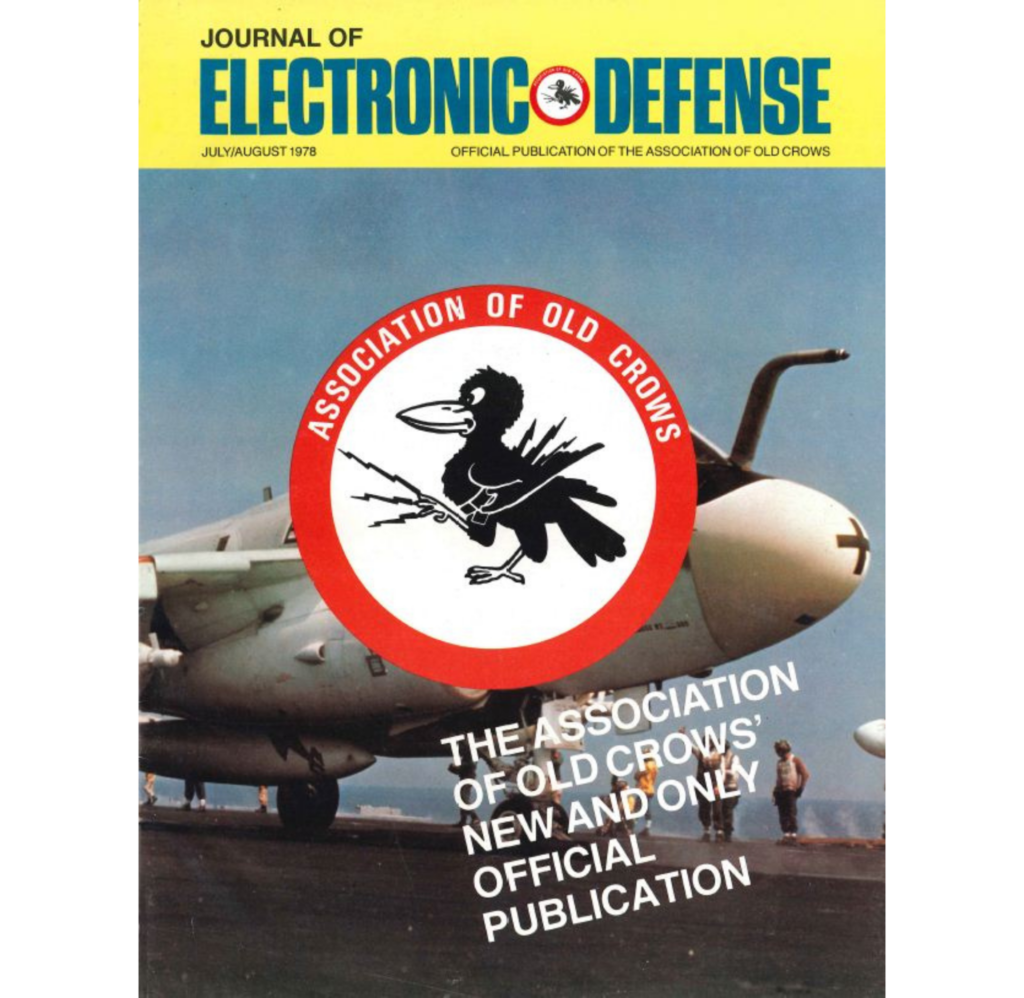
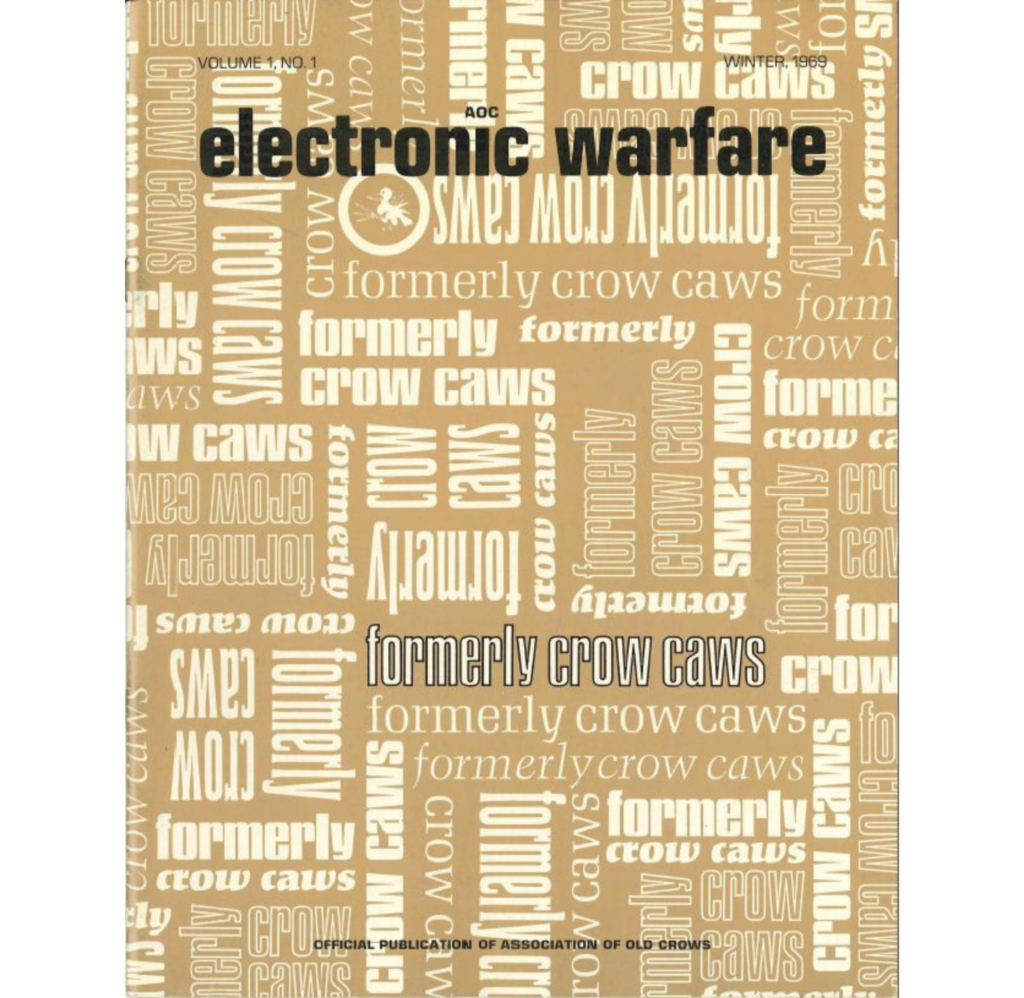
The last issue of Electronic Warfare is published in June, and the newly branded Journal of Electronic Defense (JED) launches with a July/August issue.
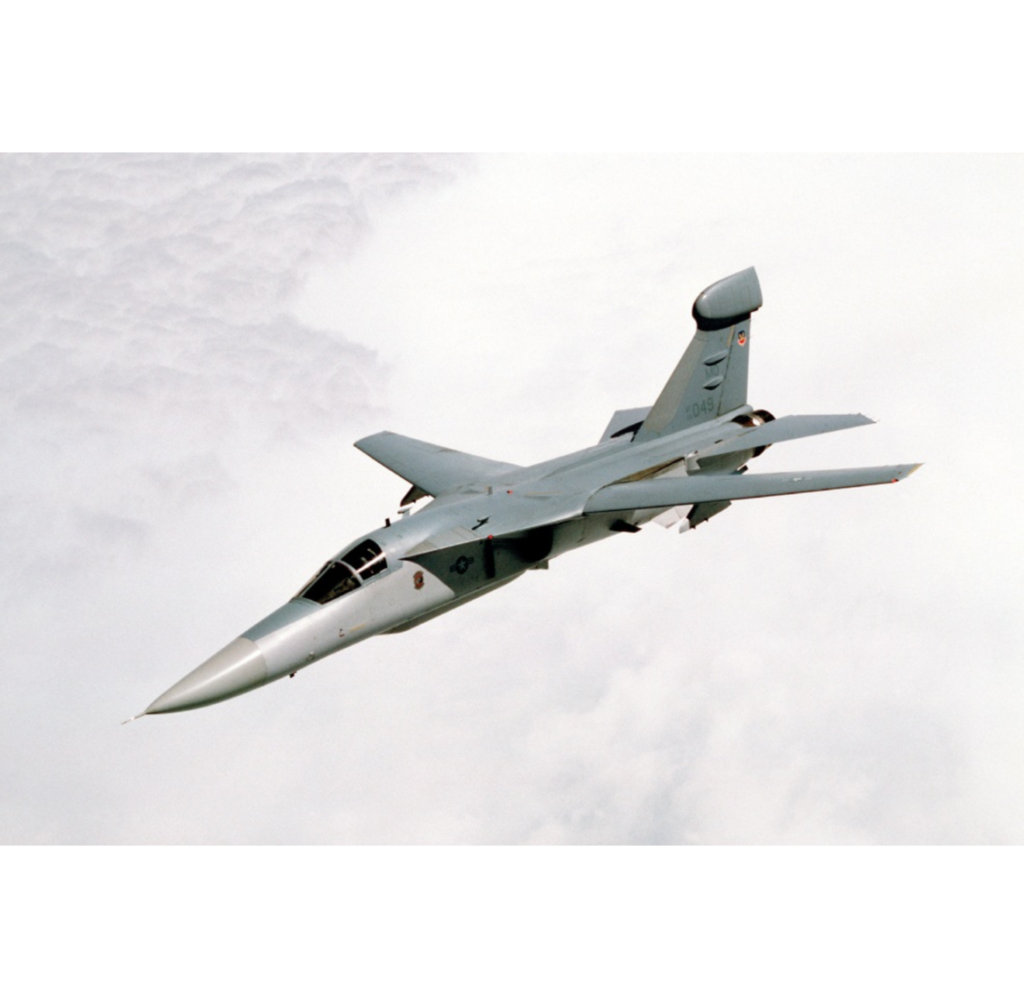
President Ronald Reagan orders airstrikes on terrorist targets in Libya (Operation El Dorado Canyon), which sees the operational debut of the EF-111A Raven in combat.

The AOC Foundation was planned in 1985 and officially established and approved by the IRS as a non-profit organization on July 29, 1986.
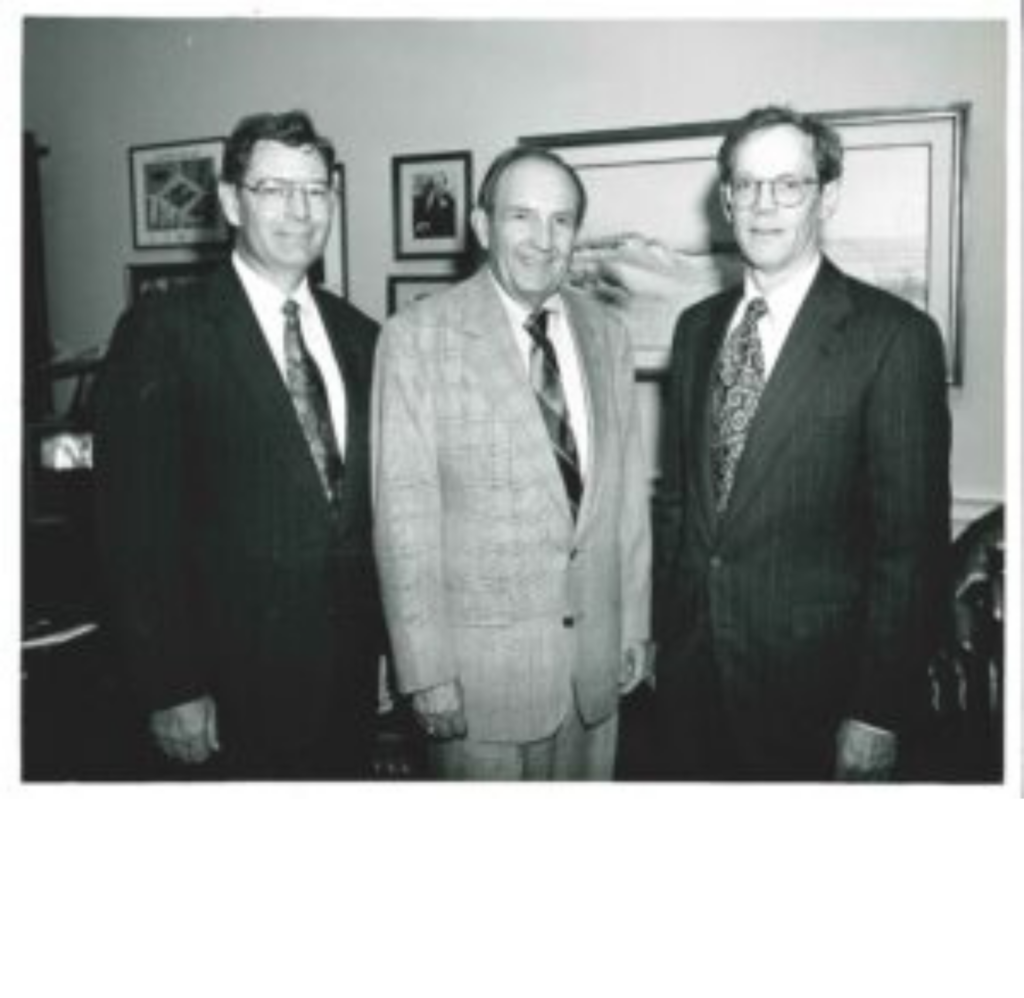
AOC holds its first Capitol Hill Roundup to advocate for EW in Washington, DC. A total of 15 crows representing nine chapters met with 10 congressional members in its first year.
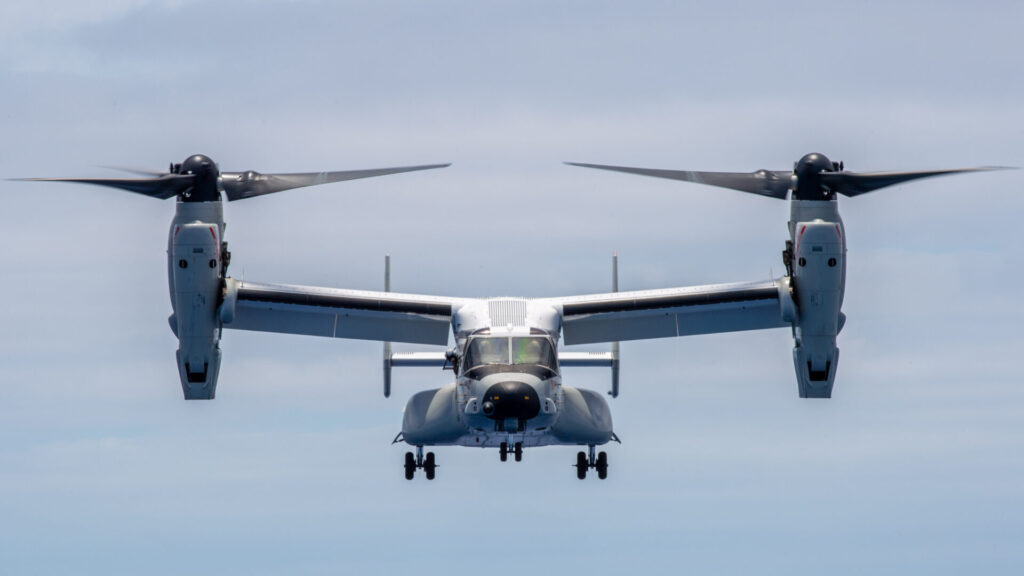
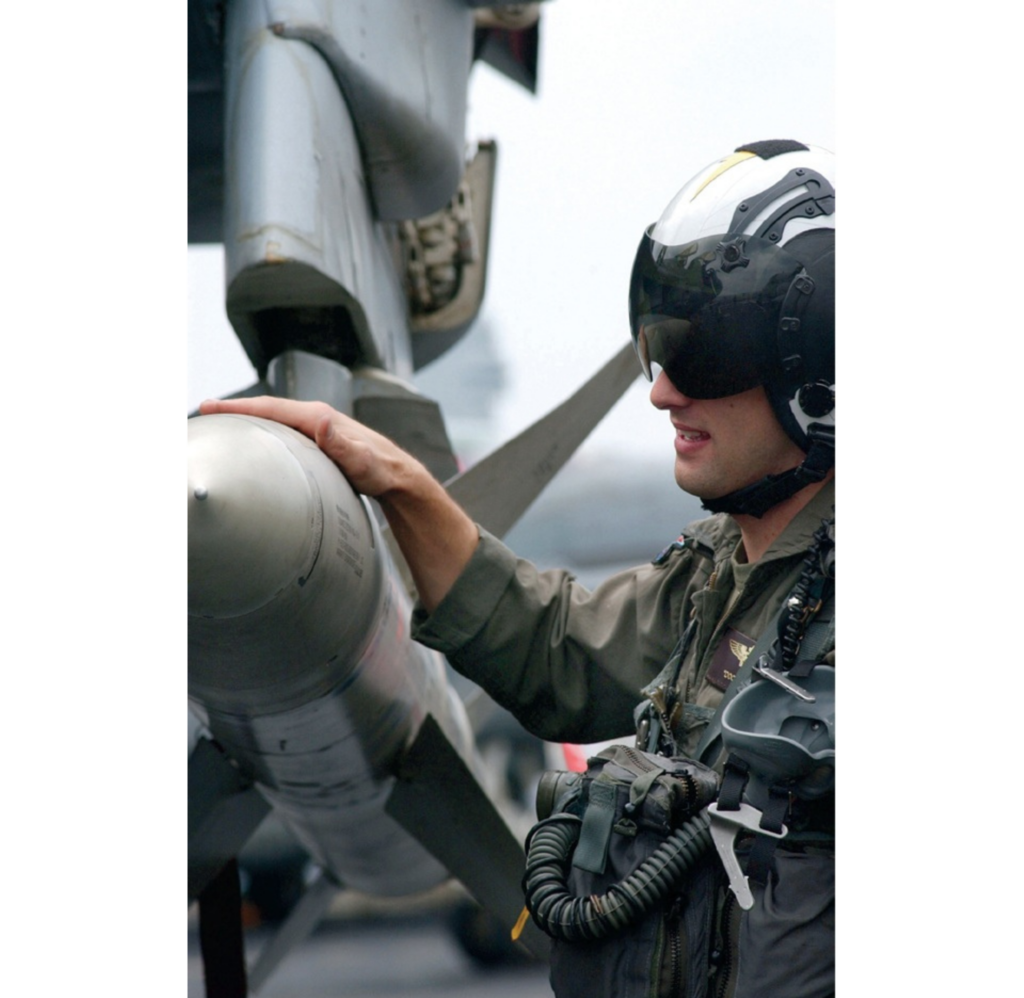
Tactical Electronic Warfare Squadron VAQ-136 is the first Prowler squadron to fly a strike against Iraq in support of Operation Desert Storm, the Gulf War.
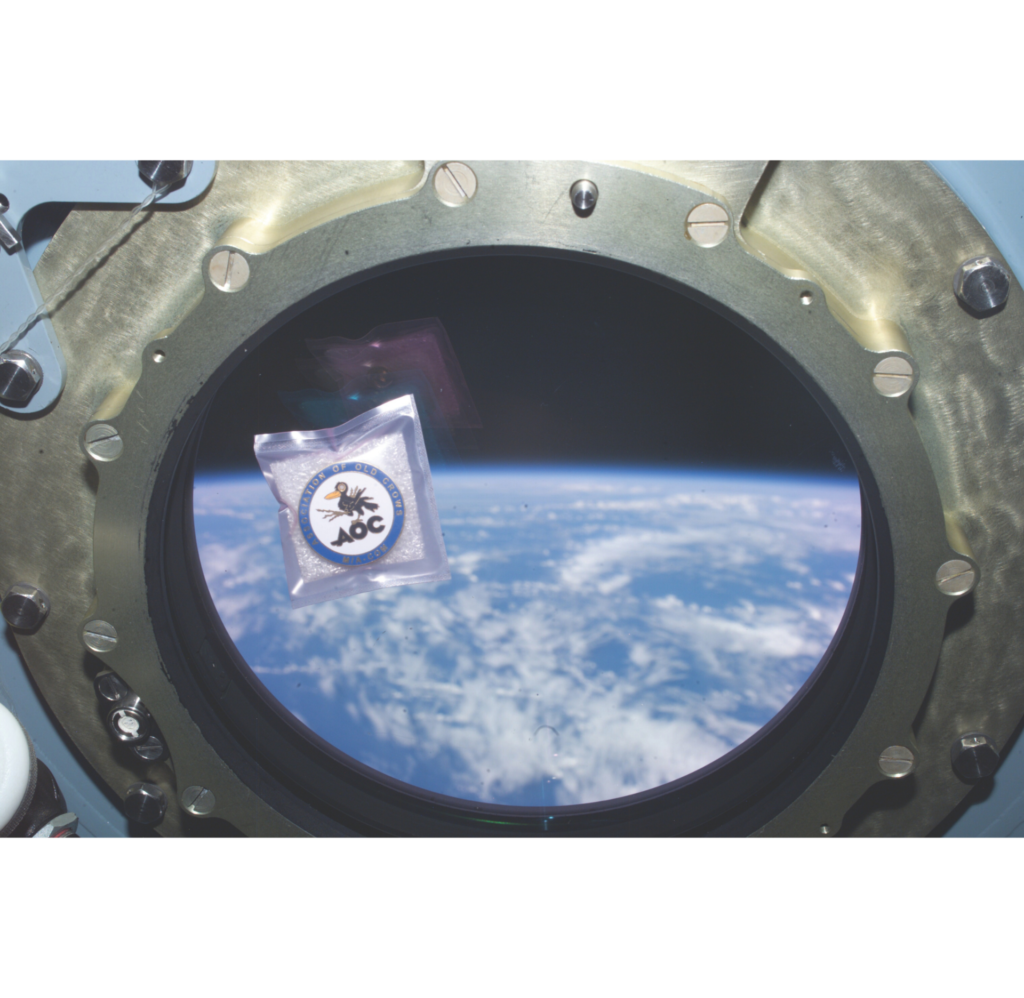
For the 40th anniversary of the AOC, member Rick Lu sends an AOC “Blinkee” pin into space with his brother, Ed Lu, who is the US astronaut on the International Space Station Expedition 7. Ed takes a picture of the pin with the Earth in the background.
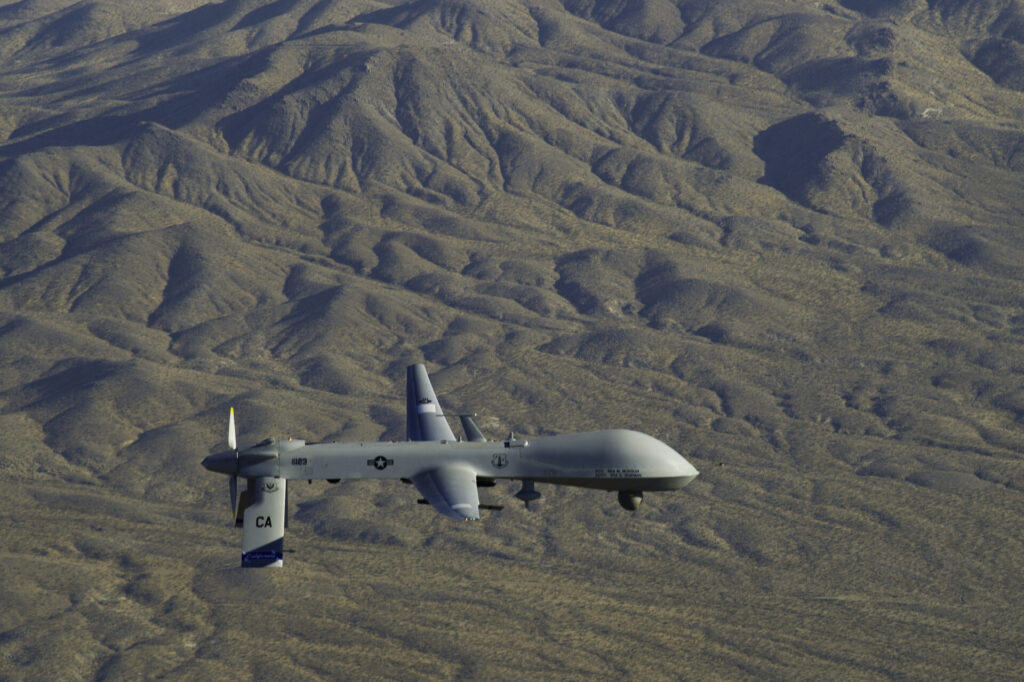
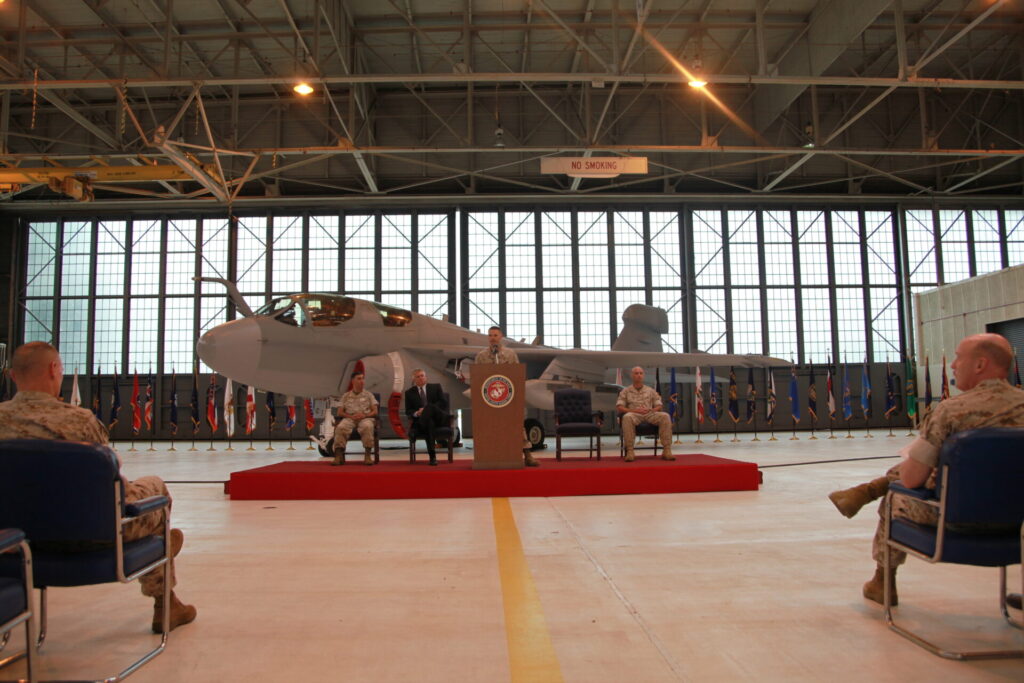
US Marine Corps electronic attack hosts a rollout ceremony to commemorate the long-awaited arrival of the ICAP III EA-6B Prowler.
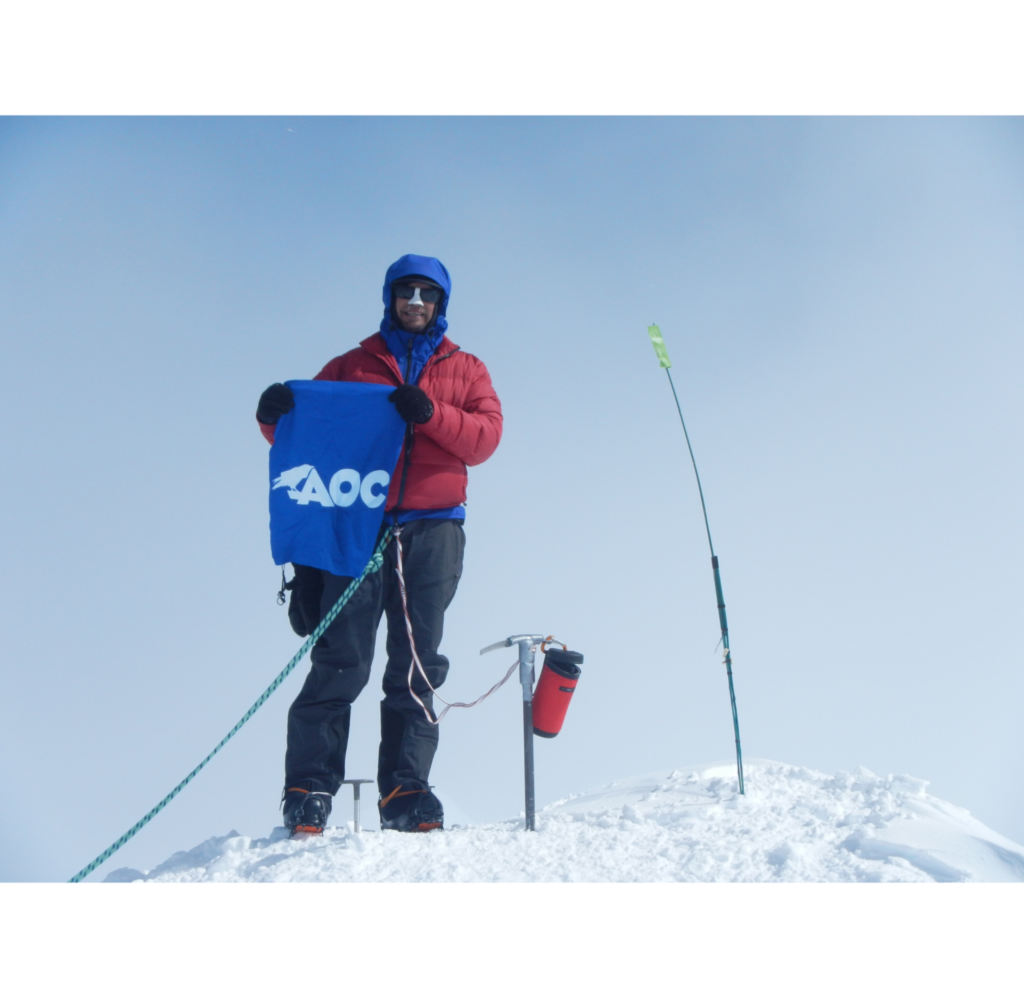
AOC member Stan VanderWerf, US Air Force (Ret.), reaches the top of Mount McKinley with an AOC flag.
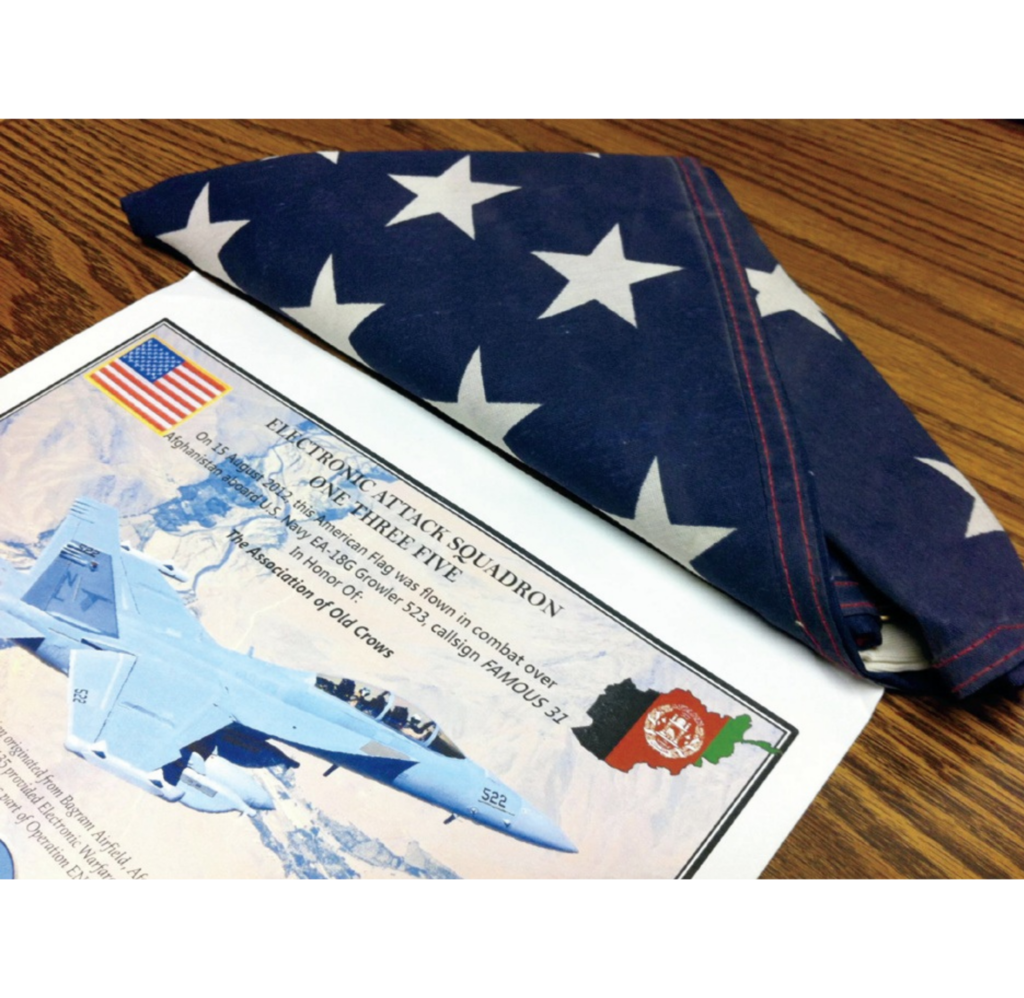
Electronic Attack Squadron VAQ-135 flies an American flag in combat over Afghanistan aboard the US Navy EA-18G Growler 523, call sign Famous 31, in honor of the Association of Old Crows.
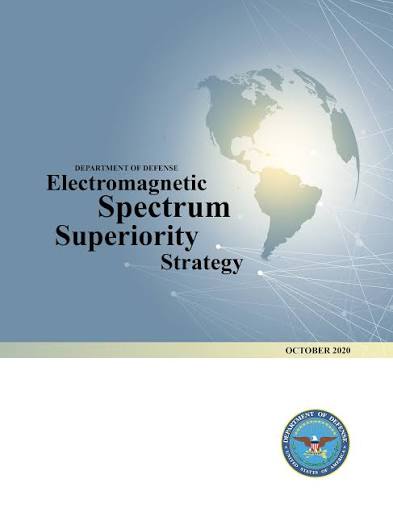
DOD releases the 2020 Electromagnetic Spectrum Superiority Strategy, formally integrating electronic warfare and electromagnetic spectrum management under the unified concept of electromagnetic spectrum operations (EMSO) and establishing five goals for achieving spectrum superiority against peer and near-peer adversaries.
AOC launches the From the Crows’ Nest podcast with host Ken Miller. The first episode is titled, “The State of EMSO Today.”
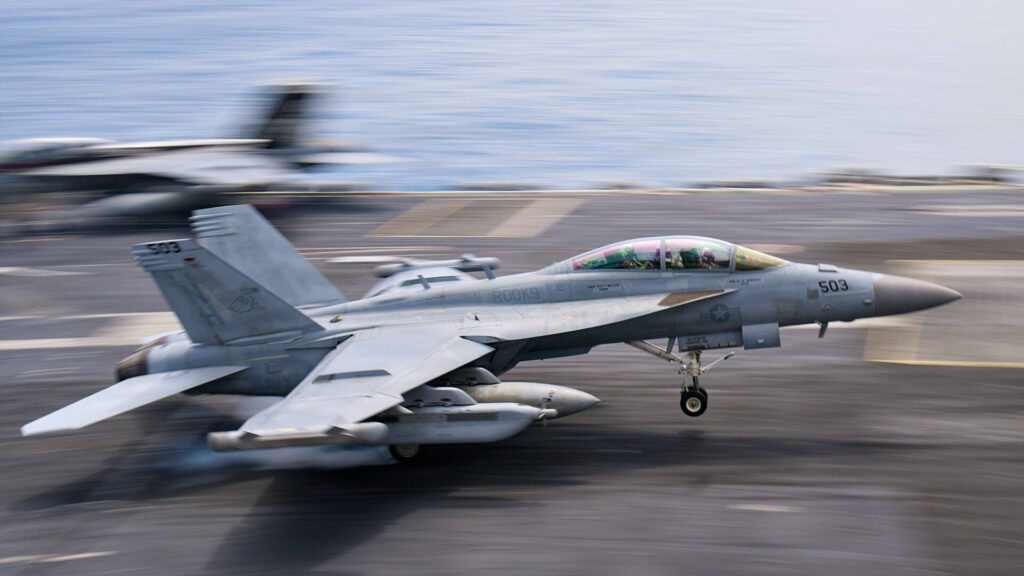
NGJ-MB (AN/ALQ-249) achieves Initial Operating Capability (IOC), the first major US airborne EW system upgrade in four decades.
AOC launches Electromagnetic Warfare Awareness Week (EW Week) to raise awareness and celebrate the legacy of crows around the world.
Photo Credits: AOC, National Army Museum (UK), US Air Force, US Army, US Navy, Library of Congress, US Congress, Imperial War Museum, and Public Domain.
Missing Something?
Is AOC's timeline missing a historically important EW event? Please complete the form to help us add to the timeline!